B.C. Wildfire State of Emergency: What Residents Need to Know in 2026
British Columbia is facing another challenging wildfire season in 2026, with hot and dry conditions creating serious risks for communities across the province. On August 8, the provincial government declared a B.C. Wildfire State of Emergency as wildfires rapidly intensified, with more than 100 fires burning across B.C. and thousands of residents affected by evacuation orders and alerts. The situation has highlighted the importance of preparation, reliable information, and responsible behaviour for residents and visitors alike.
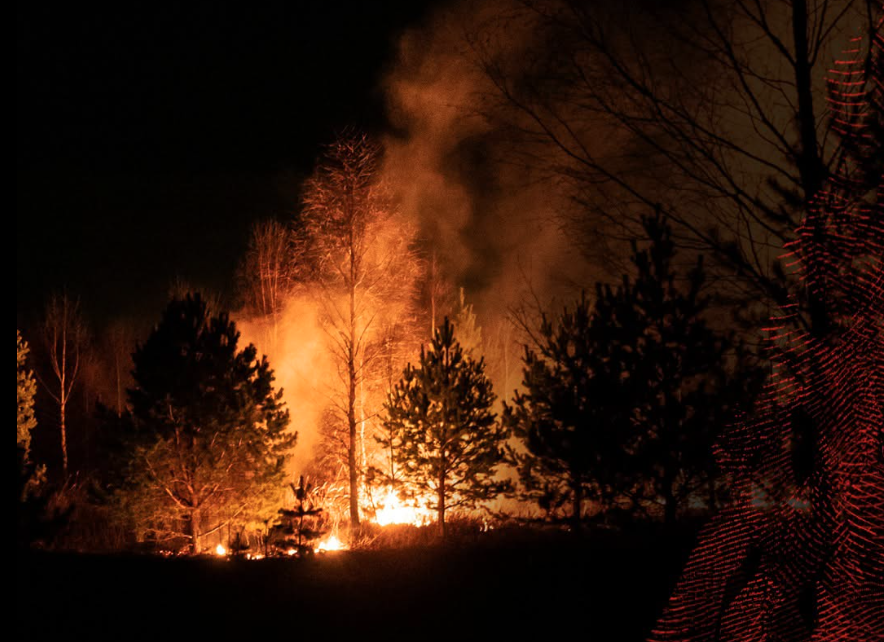
For residents of Squamish and the surrounding Sea to Sky area, the situation is a reminder that wildfire conditions can change quickly. Local authorities are encouraging people to remain cautious, follow restrictions, and stay informed through official emergency channels. The Squamish Reporter recently highlighted the importance of caution as the province manages the ongoing emergency, including strict restrictions around activities that could potentially start new fires.
Understanding the Current Wildfire Situation
The 2026 wildfire emergency was declared after a rapidly growing fire in the Okanagan region prompted large-scale evacuations. The Bald Range wildfire expanded dramatically under hot, dry, and windy conditions, forcing more than 20,000 people to leave their homes. Officials described the fire behaviour as extremely intense, demonstrating how quickly conditions can shift during periods of elevated wildfire danger.
Although the most significant evacuation impacts have been concentrated in other parts of the province, residents throughout B.C. should take the emergency seriously. Wildfire smoke, road closures, evacuation alerts, and changing fire restrictions can affect communities far from an active fire. Conditions can also change with wind direction, temperature, and fire behaviour, making timely information especially important.
Why Residents Should Stay Alert
One of the most important steps residents can take is to monitor official alerts regularly. Emergency information can change quickly, and an evacuation alert can become an order when authorities determine that a community is at immediate risk.
Residents should know the difference between an evacuation alert and an evacuation order. An alert means people should be prepared to leave quickly if conditions worsen. An order means residents should leave the affected area immediately and follow instructions from emergency officials.
The Squamish-Lillooet Regional District reported on August 12 that some properties near the Twin Two Creek wildfire had been downgraded from evacuation order to alert. This illustrates how emergency conditions can change in either direction and why residents should continue monitoring official updates even after restrictions are reduced.
Fire Restrictions Remain Important
During periods of extreme wildfire risk, residents have an important role to play in preventing new fires. Authorities in Squamish have urged residents and visitors to respect fire bans and restrictions. Officials are actively responding to reports of people ignoring restrictions, with fines of at least $1,150 for individuals found around a prohibited fire. Additional restrictions, including possible backcountry access limitations, could be introduced if conditions deteriorate or firefighting resources become stretched.
These restrictions are not simply administrative rules. Preventing human-caused fires allows emergency crews to concentrate their resources on existing wildfires and reduces the possibility of additional threats developing during an already demanding season.
Preparing a Household Emergency Plan
Every household should have a basic emergency plan before wildfire conditions become critical. Families should identify multiple routes away from their neighbourhood, determine where they could stay if forced to evacuate, and make arrangements for pets and other animals.
Important documents, medications, identification, chargers, food, water, and essential personal items should be easy to access. Keeping an emergency bag ready can save valuable time if an evacuation order is issued unexpectedly.
Residents should also consider the needs of elderly family members, children, people with disabilities, and anyone who may require additional assistance during an evacuation. Planning these details in advance can make a stressful situation easier to manage.
Staying Informed About Local Conditions
Official emergency information should always take priority over social media rumours or unverified online posts. B.C.'s EmergencyInfoBC provides emergency information and directs residents toward relevant resources, including wildfire reporting and emergency updates.
Residents should also keep their mobile devices charged and ensure emergency notifications are enabled where available. Checking local government websites and regional emergency pages regularly can provide important information about evacuation alerts, road conditions, fire restrictions, and community services.
For people planning outdoor activities, additional caution is essential. Hiking, camping, off-road recreation, and other activities can become dangerous when fire conditions are elevated. Visitors should check current restrictions before heading into forests, parks, or backcountry areas.
Protecting the Community Together
Wildfire preparedness is not only an individual responsibility. Businesses, community organizations, neighbourhood groups, and local governments all contribute to a community's ability to respond effectively.
Residents can help by reporting suspicious smoke or fire activity quickly, following posted restrictions, avoiding activities that could cause accidental ignition, and supporting neighbours who may need assistance. Simple actions can reduce unnecessary pressure on emergency services during an already challenging period.
The current emergency also highlights the importance of long-term wildfire resilience. Communities across B.C. are increasingly considering emergency preparedness, fire-resistant development, forest management, evacuation planning, and climate resilience when planning for future growth.
Looking Ahead
The wildfire situation in British Columbia demonstrates why preparation should happen before an emergency reaches a person's neighbourhood. Conditions can shift rapidly, and a community that appears safe one day may face an evacuation alert the next.
For Squamish residents, staying informed, respecting fire restrictions, preparing emergency supplies, and having a clear evacuation plan are practical ways to protect households and support the wider community. As the province continues responding to active wildfires, responsible behaviour and reliable information will remain essential throughout the remainder of the 2026 fire season.
Learn more about the latest wildfire precautions, local restrictions, and emergency guidance affecting Squamish residents. Read the latest squamish wildfire update https://www.squamishreporter.com/2026/08/12/squamish-urges-caution-amid-b-c-wildfire-emergency.


Comments
Post a Comment