Why the Sea to Sky Region Continues to Thrive in 2026
British Columbia’s coastal mountain corridor has long been recognized as one of Canada’s most desirable places to live, work, and explore. In 2026, the Sea to Sky region continues to gain momentum thanks to its strong economy, growing communities, outstanding natural beauty, and forward-looking development strategies. Stretching from Horseshoe Bay through Squamish to Whistler and Pemberton, the area offers a unique balance of outdoor recreation, business opportunities, and sustainable growth that attracts residents, entrepreneurs, and visitors from around the world.
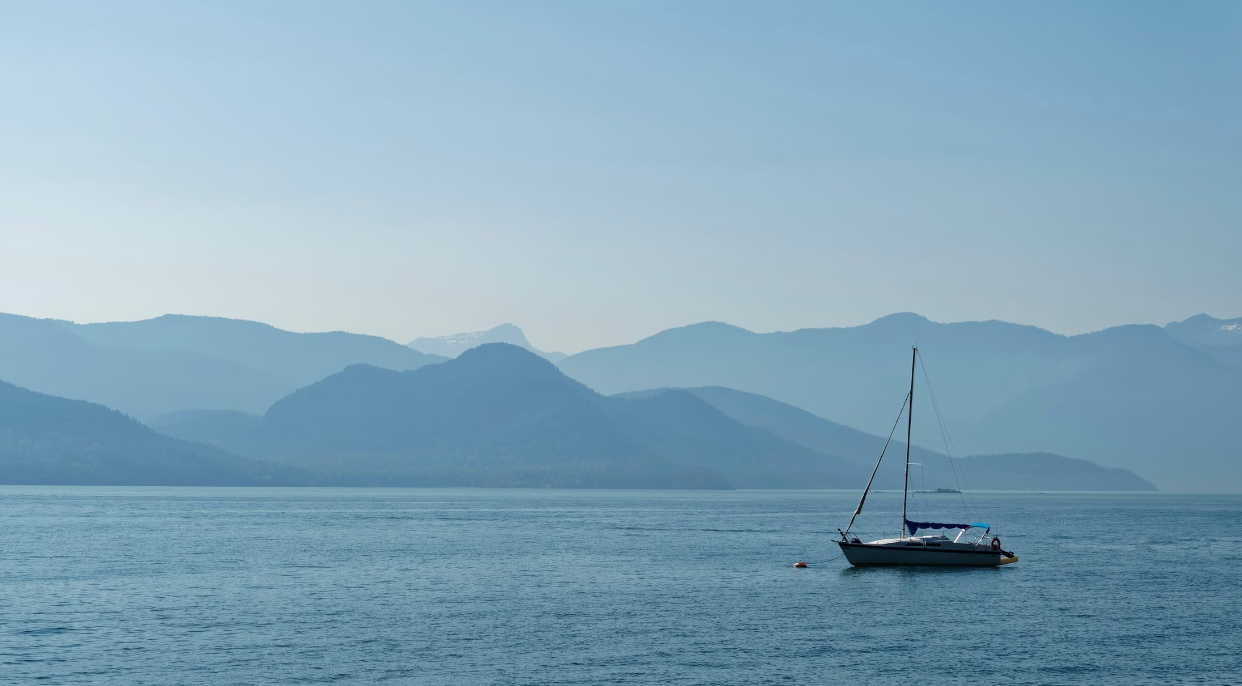
One of the biggest reasons for the region's continued success is its growing population. More people are choosing to relocate from larger urban centres in search of a healthier lifestyle while maintaining access to employment opportunities. Improvements in remote work technology have made it easier for professionals to live in scenic communities without sacrificing career growth. As a result, towns throughout the corridor continue to experience steady residential development and increased investment.
Housing development has become a major focus as communities work to accommodate this growth. Local governments are introducing new planning initiatives that encourage diverse housing options, higher-density neighbourhoods, and improved affordability. These efforts aim to provide housing choices for families, young professionals, seniors, and essential workers while maintaining the unique character of each community. Strategic planning helps ensure that future growth supports both residents and the local economy.
Tourism remains another major contributor to regional prosperity. Visitors continue to be drawn by world-class hiking, mountain biking, skiing, climbing, paddleboarding, and sightseeing opportunities throughout the year. Popular destinations such as Shannon Falls, the Sea to Sky Gondola, Whistler Blackcomb, and Garibaldi Provincial Park continue attracting domestic and international travellers. Tourism supports thousands of local jobs while encouraging continued investment in hospitality, retail, transportation, and recreation services.
The outdoor lifestyle continues to define the region's appeal. Residents enjoy easy access to forests, rivers, mountains, lakes, and coastal environments that encourage active living throughout every season. Whether enjoying hiking trails during summer or skiing during winter, people are increasingly choosing communities that promote wellness and a closer connection to nature. This lifestyle advantage remains one of the strongest drivers behind continued migration into the area.
Economic diversification is also strengthening long-term stability. While tourism remains important, the corridor has experienced growth in technology, professional services, education, healthcare, clean energy, and construction. Many entrepreneurs and small businesses now see the region as an attractive location for expansion due to its skilled workforce, quality of life, and access to both Vancouver and Interior British Columbia markets.
Infrastructure improvements continue supporting this expansion. Investments in transportation, public facilities, broadband connectivity, and community services help meet the demands of a growing population. Highway improvements, expanded cycling infrastructure, and enhanced public amenities contribute to safer travel and stronger connections between neighbouring communities. These projects improve both resident quality of life and visitor experiences.
Environmental stewardship has also become central to future planning. Municipalities throughout the corridor continue promoting sustainable development practices, climate resilience, and conservation initiatives. Efforts to protect forests, rivers, wildlife habitats, and sensitive ecosystems ensure that future generations can continue enjoying the area's natural beauty while supporting responsible economic growth.
Community engagement remains another strength of the region. Local governments regularly encourage residents to participate in planning discussions, housing strategies, transportation improvements, and environmental initiatives. Public consultation allows communities to shape future development while ensuring that local priorities remain part of long-term decision-making. This collaborative approach helps balance growth with preservation of community values.
Education and recreation continue expanding alongside population growth. Schools, sports facilities, cultural organizations, libraries, and community programs provide valuable resources for families moving into the area. Investments in youth programs, arts initiatives, and public recreation contribute to vibrant, connected communities where residents can enjoy a high quality of life.
The real estate market also reflects ongoing confidence in the area's future. Buyers continue viewing the corridor as an attractive destination for primary residences, vacation homes, and long-term investments. Strong demand, combined with continued infrastructure planning and economic development, supports healthy market activity despite changing economic conditions.
Looking ahead, the region's continued success will depend on thoughtful planning that balances development, environmental protection, affordability, and infrastructure investment. By embracing sustainable growth while preserving its extraordinary natural surroundings, the area remains well-positioned for long-term prosperity.
Learn more about the proposed land-use planning discussions and future growth initiatives affecting the region. Visit https://www.squamishreporter.com/2026/05/22/have-your-say-on-new-land-use-plan-for-the-sea-to-sky-region.


Comments
Post a Comment