Why Floating Homes Are Becoming a Luxury Living Trend in 2026
Luxury living continues to evolve as homeowners search for experiences that combine exclusivity, comfort, sustainability, and strong lifestyle appeal. In 2026, one of the fastest-growing trends in waterfront real estate is the rise of Floating homes, which are attracting attention from luxury buyers, developers, and investors around the world. What was once considered a niche concept has now become a modern symbol of premium waterfront living.
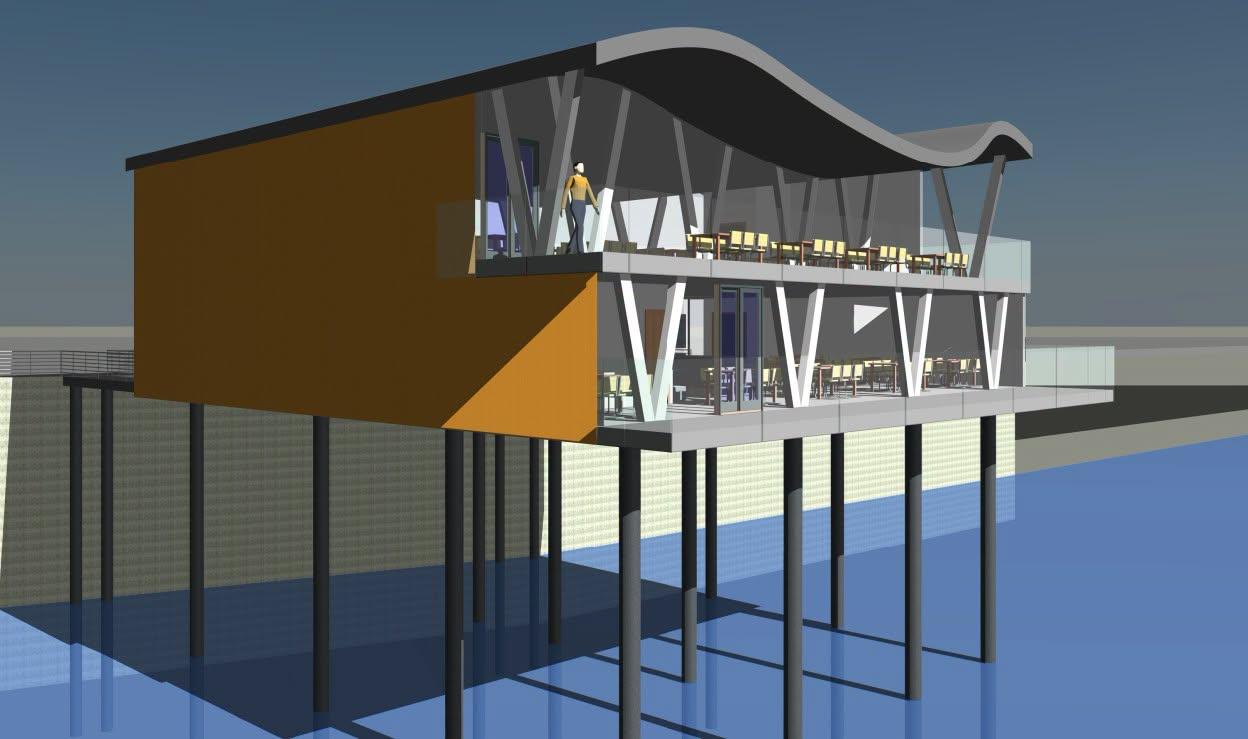
One of the main reasons behind this growing popularity is the increasing demand for unique lifestyle experiences. Buyers today are no longer focused only on large houses or traditional waterfront properties. Instead, many are looking for homes that offer privacy, direct access to nature, and a stronger emotional connection to their surroundings. Luxury real estate experts now describe waterfront living as one of the defining property trends shaping 2026.
Modern floating residences are also far more advanced than earlier generations of houseboats. New developments now feature high-end architecture, smart home systems, energy-efficient technology, luxury interiors, rooftop terraces, and resort-style amenities. Some floating villa projects in locations such as Dubai, Miami, and the Maldives are designed to function more like premium waterfront estates than traditional marine structures.
Another major factor driving demand is the limited availability of prime waterfront land. As coastal and lakefront property prices continue to rise globally, developers are exploring alternative ways to create luxury waterfront communities. Floating residential developments allow builders to expand into areas where traditional land-based construction may be difficult or expensive. This has created new opportunities for exclusive residential projects in high-demand waterfront destinations.
Sustainability is also playing a major role in the growth of the sector. Many modern floating properties are designed with eco-friendly materials, solar energy systems, and efficient water management technologies. Climate adaptation has become increasingly important in coastal development, and floating structures are often viewed as more flexible solutions for areas affected by rising water levels and environmental change. Industry reports show that floating and modular waterfront systems are becoming more attractive because they can adapt to changing conditions while minimizing environmental impact.
The appeal of wellness-focused living has further accelerated interest in floating properties. Studies and real estate trends continue to show that proximity to water contributes to relaxation, mental well-being, and reduced stress. Buyers are increasingly prioritizing homes that support healthier lifestyles, outdoor living, and peaceful surroundings. Luxury waterfront communities are now being marketed not only for their exclusivity but also for their connection to wellness and nature.
Technology and engineering improvements have also made these homes more practical and comfortable for long-term living. Modern floating homes are built using advanced marine-grade materials, improved stabilization systems, and durable construction techniques that allow them to function similarly to land-based residences. Some luxury floating villas now include large entertainment areas, floor-to-ceiling windows, private docks, and even integrated renewable energy systems.
Developers are increasingly incorporating floating residential concepts into mixed-use waterfront projects that include restaurants, marinas, hotels, and recreational spaces. These integrated communities create a resort-style environment that appeals to both investors and residents seeking luxury experiences beyond standard residential living. Similar waterfront-focused developments are now appearing in several international real estate markets as demand for experiential living continues to rise.
Online communities and public discussions also show growing curiosity about water-based living. Reddit users discussing floating cities and floating housing often mention the appeal of sustainability, off-grid potential, scenic surroundings, and innovative urban planning. While some discussions highlight practical challenges such as maintenance and regulations, many people view floating communities as part of the future of modern housing.
In places like Squamish and other waterfront regions, floating residential proposals are beginning to attract attention as communities explore creative approaches to waterfront development. These projects often combine residential living with tourism, dining, and recreational opportunities, creating vibrant destinations that appeal to locals and visitors alike.
As luxury buyers continue searching for properties that offer exclusivity, sustainability, and lifestyle-focused design, floating homes are becoming more than just an architectural trend. They represent a shift toward innovative waterfront living that blends modern comfort with direct connection to nature and water.
Learn more about the proposed waterfront floating home development and restaurant project in Squamish. Visit https://www.squamishreporter.com/2026/05/28/floating-homes-waterfront-restaurant-proposed-for-mamquam-blind-channel.


Comments
Post a Comment