Who Benefits Most from Temporary Housing in Downtown Squamish?
As communities across British Columbia face increasing pressures from rising housing costs and homelessness, initiatives like temporary housing in Downtown Squamish are becoming crucial parts of the local support network. This urgent response to homelessness — driven in part by Squamish’s inclusion in provincial programs that provide emergency shelter and transitional housing — aims to offer safe, dignified living arrangements for people who need them most. But who exactly benefits from these temporary housing options, and how are they designed to make a meaningful difference in people’s lives?
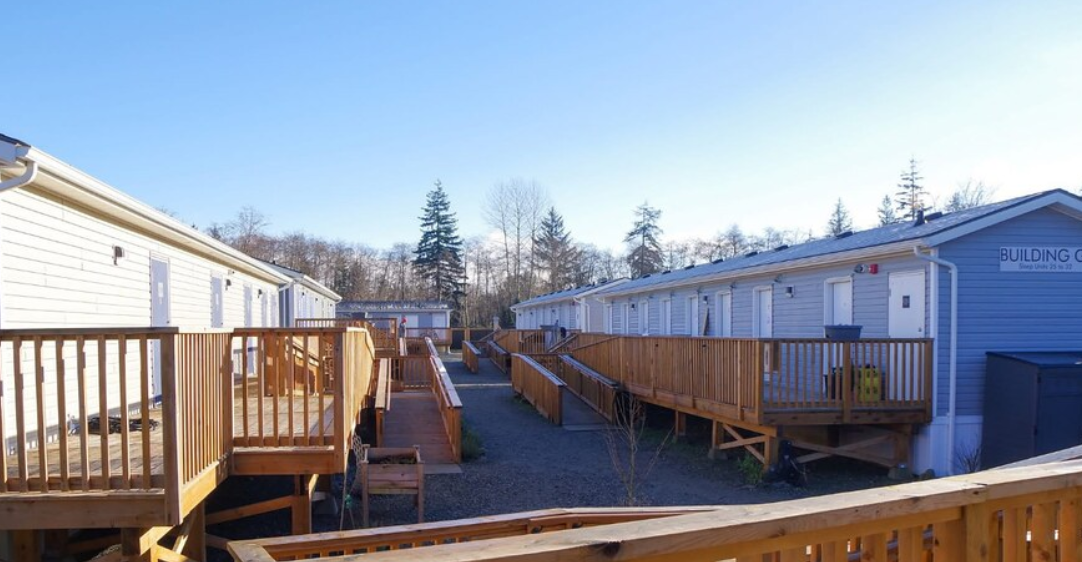
One of the primary groups who benefit from temporary housing are people experiencing homelessness. People without stable shelter face direct threats to their health, wellbeing, and safety — especially through harsh seasonal weather and inadequate living conditions. These housing options provide a crucial reprieve, giving them a safe space to sleep, access basic necessities, and begin the process of rebuilding stability. For many, this kind of support can be the first step out of chronic homelessness and into a pathway that includes additional services and longer-term housing solutions.
Temporary housing in Downtown Squamish also supports people who are at high risk of becoming homeless due to economic or personal circumstances. This includes individuals who may be one missed payment away from eviction or who face sudden income loss, health issues, or other life disruptions. By offering a safety net in transitional settings, these programs help prevent people from falling into long-term homelessness. They also often provide access to wraparound services — such as case management, employment support, and healthcare referrals — that address the complex factors contributing to housing instability.
Another key beneficiary group includes individuals who have recently lived in outdoor encampments or precarious living situations. Downtown Squamish, like many municipalities, has contended with encampment conditions in public spaces, prompting calls from both community members and officials for safer, more sustainable solutions. The introduction of temporary housing via provincial partnership initiatives is designed to give people living outside a dignified indoor environment with supports that help reduce barriers to long-term stability.
Another key beneficiary group includes individuals who have recently lived in outdoor encampments or precarious living situations. Downtown Squamish, like many municipalities, has contended with encampment conditions in public spaces, prompting calls from both community members and officials for safer, more sustainable solutions. The introduction of temporary housing via provincial partnership initiatives is designed to give people living outside a dignified indoor environment with supports that help reduce barriers to long-term stability.
Similarly, seniors and older adults at risk of housing insecurity represent another group that finds significant benefit from temporary housing. Many older residents face fixed incomes, rising living costs, and health challenges that make stable housing difficult to secure. Safe temporary housing gives seniors a place to live while they explore long-term options, engage with community supports, and avoid the heightened risks associated with homelessness, particularly in extreme weather conditions.
Similarly, seniors and older adults at risk of housing insecurity represent another group that finds significant benefit from temporary housing. Many older residents face fixed incomes, rising living costs, and health challenges that make stable housing difficult to secure. Safe temporary housing gives seniors a place to live while they explore long-term options, engage with community supports, and avoid the heightened risks associated with homelessness, particularly in extreme weather conditions.
The broader community benefits too. Well-managed temporary housing can reduce the strain on emergency services, improve public health outcomes, and foster safer, more inclusive public spaces. Rather than leaving people to navigate homelessness alone — often resulting in greater demand on hospitals, emergency response teams, and social services — temporary housing creates a centralised, coordinated system of care that can be more effective and humane for everyone involved.
In addition to meeting immediate needs, temporary housing in Downtown Squamish often serves as a bridge to longer-term solutions like supportive housing, transitional programs, and permanent homes. Working with community partners and provincial initiatives, these projects aim to not only shelter individuals but to help them build the skills, connections, and stability necessary to thrive independently.
Temporary housing initiatives also carry a dignity-affirming message: they recognise housing as a human right and offer vulnerable individuals a supportive environment rather than exclusion or criminalisation. This approach helps restore dignity for people who have been marginalised by homelessness and provides pathways toward community reintegration.
This article explores who benefits most from temporary housing in Downtown Squamish, including individuals experiencing homelessness, those at risk of losing their homes, and people with specific health or mobility challenges. Read more about local discussions and efforts to establish temporary housing and related supports at https://www.squamishreporter.com/2026/02/11/squamish-temporary-housing-downtown-hearth-program — a detailed report on emerging initiatives. A helpful overview for residents and stakeholders, this piece outlines the evolving landscape of housing solutions in Squamish.


Comments
Post a Comment