Sea to Sky Region Under Snowfall Warning: How to Prepare for Winter Weather
A snowfall warning for Sea to Sky region has been issued by Environment Canada, signaling that significant snow is expected between Squamish and Whistler. The warning comes as a strong low-pressure system moves across the South Coast, bringing snow accumulation that could reach around 15 centimetres in some areas before changing to rain later in the day. Conditions like these can make travel and daily routines more challenging, so it’s important for residents and visitors to know how to prepare safely for winter weather.
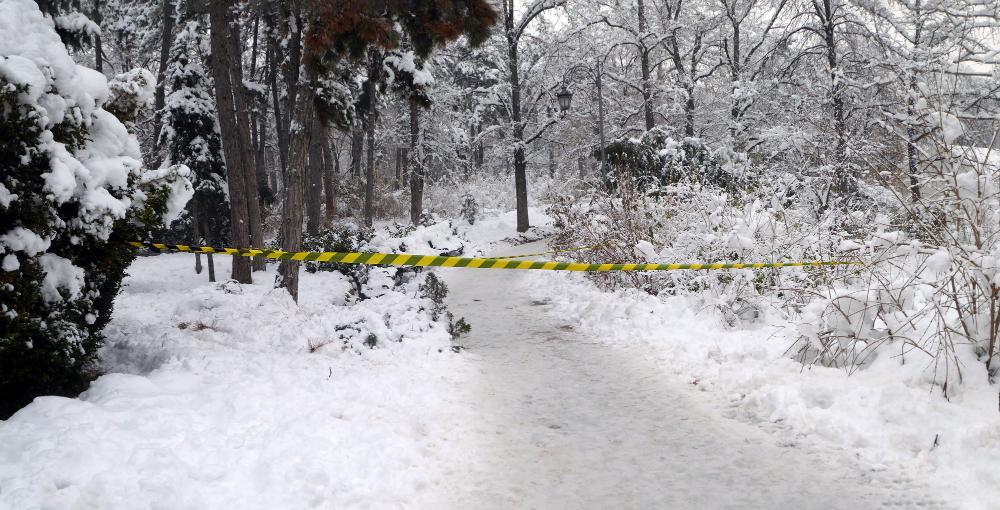
One of the most important steps when a snowfall warning is in effect is to stay informed. Weather can change quickly in coastal mountain regions, and forecasts may be updated frequently. Those living in or travelling through the Sea to Sky corridor should monitor local weather bulletins and alerts from Environment Canada, and check real-time road condition reports from DriveBC. Knowing what to expect before heading out can prevent unnecessary travel and help avoid hazardous situations on slippery roads and reduced visibility.
Preparing your vehicle for winter conditions is essential. When snow is expected, ensure that winter tires are installed, as they offer much better traction on snow and ice than all-season tires. Keeping your gas tank at least half full helps prevent fuel line freeze-ups, and packing an emergency winter kit — including blankets, water, snacks, a flashlight, and a first aid kit — can provide necessary supplies if you become stranded. It’s also a good idea to carry snow chains or traction devices and know how to install them before you head into mountain conditions.
For drivers, adjusting travel habits during snowfall is key to staying safe. Reduce your speed, increase following distance, and avoid sudden braking or sharp turns, as these can cause skidding. If visibility drops due to heavy snow, turn on your headlights and pull over to a safe location off the roadway until conditions improve. Travelers should also allow extra time to reach their destinations, as snow accumulation can slow traffic and road maintenance crews may be active treating surfaces with plows and sand.
At home, preparing for winter weather can make a big difference in comfort and safety. Ensure that your home’s heating system is working efficiently and that you have adequate fuel or backup heat sources in case of power outages. Stock up on essential items such as food, medication, and batteries so that you won’t need to venture out during the peak of a storm. Taking steps now to winterize outdoor faucets, insulate pipes, and clear walkways before the snow falls can also prevent damage and reduce the risk of slips and falls.
If you live in a community where snow removal is a priority, be aware of scheduled plowing, and avoid parking on the street during expected snowfall to help crews keep roads clear. Pedestrians should wear appropriate winter footwear with good traction when walking on sidewalks and paths, and use caution near roads where vehicles may have difficulty stopping. In mountainous areas, avalanche risk may also rise with heavy snowfall, so recreational users should check avalanche forecasts and avoid backcountry travel without proper training and equipment.
For those planning travel through the Sea to Sky corridor during a snowfall warning, consider whether the trip is necessary or if it can be delayed until conditions improve. If travel cannot be postponed, let someone know your route and expected arrival time. Staying alert and prepared — whether you’re on the road, at home, or outdoors — helps reduce risks associated with winter storms and heavy snow.
This guide explains how to prepare for winter weather during a snowfall warning for the Sea to Sky region, including safety strategies for travel and home readiness. Stay up-to-date with forecasts and advice at https://www.squamishreporter.com/2025/12/18/snowfall-warning-sea-to-sky — a vital resource for local weather updates and preparation tips. A practical overview for residents and visitors alike, this article highlights key steps to stay safe and informed during significant snow events.


Comments
Post a Comment