Sea to Sky Highway Safety Tips: What Drivers Need to Know
The legendary Sea to Sky Highway (Highway 99) offers one of Canada’s most stunning scenic drives—stretching from the coastal lanes near Vancouver through forested slopes to the mountain town of Whistler. But breathtaking scenery comes with driving challenges: sharp curves, sudden weather changes, heavy traffic during peak seasons, and steep terrain. Whether you’re making the trip for adventure, sightseeing, or commuting, being prepared can make all the difference for a safe journey.
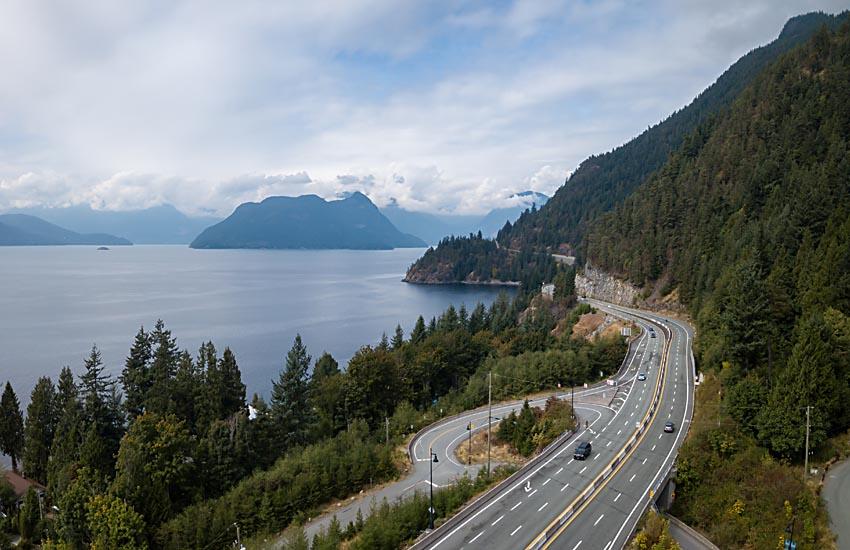
Sea to Sky Highway Safety Tips
1. Check Road and Weather Conditions Before You Go
Because the Sea to Sky Highway cuts through coastal mountains, conditions can change rapidly. Construction zones, rock slides, fog, rain, and even snow are all possible—even outside winter months. Websites such as DriveBC and local traveller updates provide real-time alerts. One guide points out that heavy traffic, variable visibility and narrow sections mean drivers need more than standard vigilance.
Before you set off, check forecast, road-work alerts, closures and if winter gear is required.
2. Adjust Speed and Increase Following Distance
Many drivers treat the highway like a typical city route, but the Sea to Sky is anything but typical. One expert highlighted that a key risk lies in maintaining a typical two-second following distance at highway speed—on this route, that’s often too little.
Use the three-to-four-second rule (or more in poor weather) so you have enough time to react to braking, debris or sudden changes. Slow your speed in curves, steep grades or narrow sections—especially around Squamish and beyond where lanes merge or shoulder width decreases.
3. Equip Your Vehicle Appropriately (Especially in Winter)
Winter conditions on the Sea to Sky Highway can be harsh and unforgiving. From October 1 to March 31, winter tires with a winter-tread symbol (snow-flake/mountain) are often required. Even outside winter months, ensure your vehicle is in good condition: brakes responsive, tires properly inflated, lights working, and windshield/wipers clean. A breakdown or skid on the mountain road can become serious.
4. Stay Alert and Minimize Distractions
The scenery on this route is spectacular—but it can also distract. Keep your eyes on traffic, maintaining awareness of the road ahead, not just the vehicle in front. One motorcycling instructor noted that the route is tempting for high-speed thrills, but unpredictable conditions make this risky.
Avoid using cruise control in inclement weather or steep terrain; if your vehicle starts to lose grip you’ll want full manual control.
5. Plan for Stops and Be Conscious of Blind Spots & Heavy Vehicles
Since the Sea to Sky route passes through mountainous terrain and narrower two-lane sections, slower vehicles—including trucks—can cause unexpected delays or sudden pass attempts. Be cautious when overtaking and always use designated passing lanes. Make use of rest stops or viewpoints to give yourself a break, stretch, and reset driving focus.
6. Know What to Do in Case of Emergency
If you come across a crash, rockfall, or breakdown, pull off at the nearest safe spot, turn on hazard lights and call emergency services. Keep an emergency kit in your car—blanket, water, flashlight, first-aid kit—especially in colder months when delays are possible due to closures or bad weather.
Final Thoughts
Traveling the Sea to Sky Highway is unforgettable—but only if you respect the road, the terrain, and your vehicle. By checking conditions ahead of time, adjusting your driving behaviour, equipping yourself properly, staying alert, and respecting safety protocols, your journey will be smoother and safer. For recent examples of traffic incidents and enforcement along the route, visit a local news report.
Stay informed and safe while driving the Sea to Sky Highway—learn essential tips, prepare your vehicle, and explore route conditions here: https://www.squamishreporter.com/2025/11/18/driver-arrested-for-dangerous-driving-fleeing-police-on-sea-to-sky-highway.


Comments
Post a Comment