Why Modular Homes in Squamish Are Becoming the Future of Housing
In recent years, Squamish has seen growing attention toward modular and prefabricated housing as a forward-looking solution to pressing housing challenges. With rising construction costs, labour shortages, and stringent timelines in traditional builds, more homeowners and developers are turning to modular approaches for their efficiency, quality control, and flexibility. The concept of the modular home Squamish is no longer niche—it’s emerging as a viable, even preferred, alternative for modern housing.
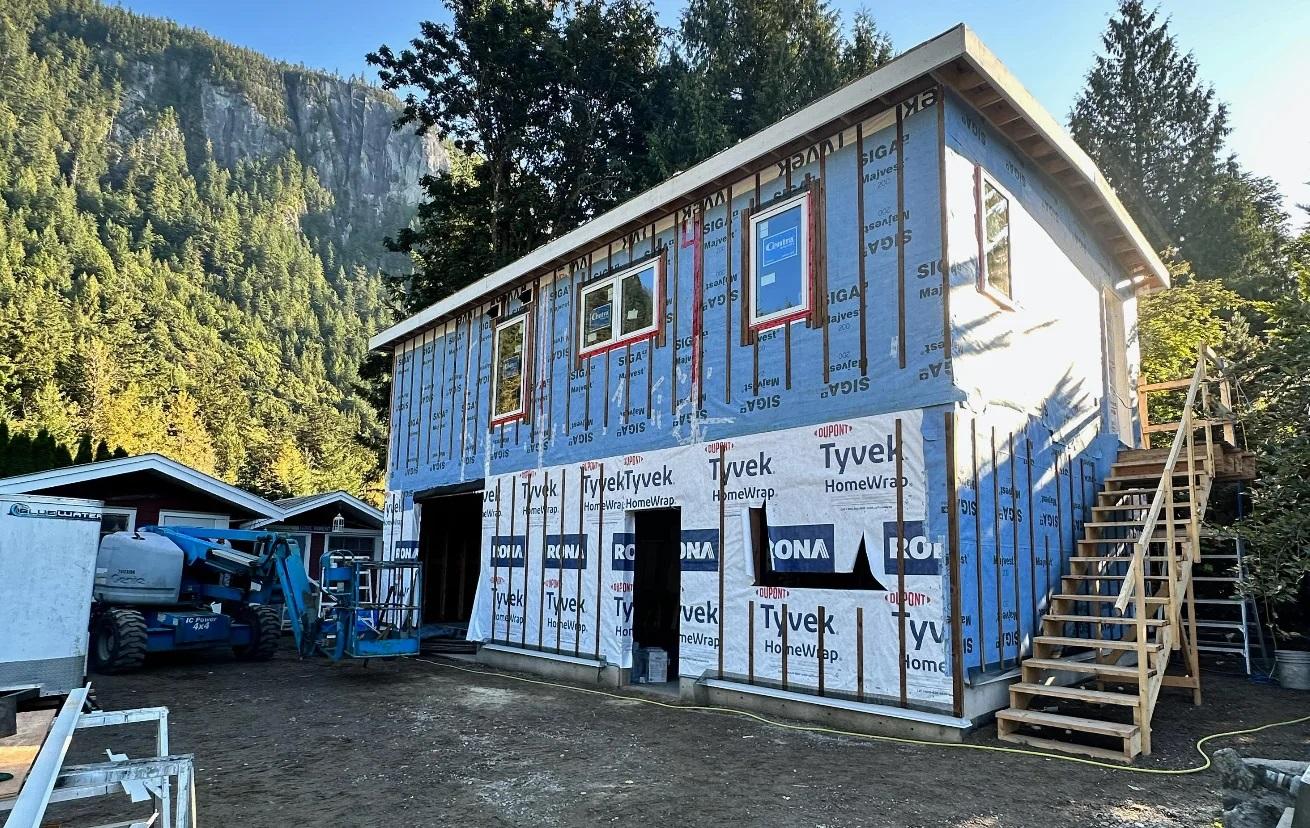
1. Faster Construction and Reduced Timelines
One of the most compelling advantages of modular homes is speed. Because much of the building occurs off-site in a factory setting—where weather, labour logistics, and site constraints are minimized—construction times are compressed. In a local example, Rohe Homes, a prefabrication company operating in BC, estimates that their modular process can save homeowners six to nine months compared to conventional builds.
By completing structural, plumbing, and electrical systems in factory modules and then assembling them on-site, delays from rain, permit slowdowns, or subcontractor scheduling are significantly reduced. This time savings makes the modular route especially attractive in a fast-growing region like Squamish, where housing demand is strong and timelines matter.
2. Cost Predictability and Efficiency
Traditional builds frequently encounter cost overruns—due to unexpected site issues, labour market fluctuations, or design changes mid-construction. Modular construction helps mitigate these uncertainties. Since much of the work is done in controlled factory settings, material waste can be tightly managed, labour costs are more predictable, and the modular manufacturer accounts for most contingencies from the start.
By standardizing components and employing assembly-line efficiencies, modular builders can offer better cost control and pricing transparency. For homeowners in Squamish, that means fewer surprises and better budgeting.
3. High Quality & Improved Build Precision
Factory building environments allow strict quality control mechanisms. Modules are constructed to precise tolerances using consistent techniques and inspections at each stage. This leads to better sealing, tighter joints, and less rework. On-site, assembly teams focus on integrating modules rather than building from scratch, reducing the chance of errors or poor craftsmanship. This emphasis on quality is critical in Squamish’s climate, where weather sealing, insulation, and long-term durability are essential.
4. Flexibility, Scalability, and Design Innovation
Modular housing allows flexibility in design: modules can be arranged in various configurations, stacked, or expanded later. For example, accessory dwelling units, garden suites, or carriage homes become easier to plan and build. In Squamish, one local resident opted to build a carriage home for a parent on the same property using modular delivery, preserving land use while creating a comfortable, independent dwelling.
This modular flexibility supports multigenerational living, rental income strategies, or phased expansion—features that suit the evolving housing needs of Squamish families.
5. Environmental Benefits & Sustainability
Because much of the work is off-site, the disturbance to the actual property is minimized—less site excavation, dust, heavy machinery movement, and waste. The factory setting allows for controlled material usage and optimized waste reduction. Many modular builders also integrate sustainable materials, energy-efficient systems, and high-performance insulation techniques. Given Squamish’s natural surroundings and community emphasis on environmental stewardship, modular homes align well with sustainability goals.
6. Addressing Housing Shortages and Demand
Squamish is experiencing a housing squeeze, with strong demand for new homes, especially more affordable or secondary dwelling units. Modular solutions can help meet that need by accelerating build times, lowering cost premiums, and removing some of the constraints of traditional construction. In broader BC, prefab and modular housing are gaining momentum as part of the response to provincial housing needs.
By making faster, higher-quality homes more accessible, modular housing helps cities like Squamish keep pace with growth while maintaining livability.
7. Risk Mitigation & Reduced On-Site Delay
One of the main risks in conventional construction is the exposure to unpredictable site conditions—weather, contractor delays, inspections, or supply chain disruptions. Modular building shifts much of that risk into a factory environment where logistics are more controllable. On-site assembly becomes less about building and more about integration, lowering the risk of schedule slips and improving overall project reliability.
The story of how one Squamish family chose Rohe Homes to deliver a modular carriage home is illustrative: the approach let them maintain land use, deliver a build more rapidly, and tailor design to their family needs.
If you’re considering a more efficient, scalable, and sustainable way to build, exploring modular home Squamish options may uncover a better path forward. For more on a local case and how smart prefab housing is shaping growth in the region, see https://www.squamishreporter.com/2025/09/19/squamish-resident-chooses-rohe-homes-for-smart-prefab-housing.


Comments
Post a Comment